20 Sep 2026
Tracing Data Integration Patterns Across Hybrid Wagering Interfaces Over Time
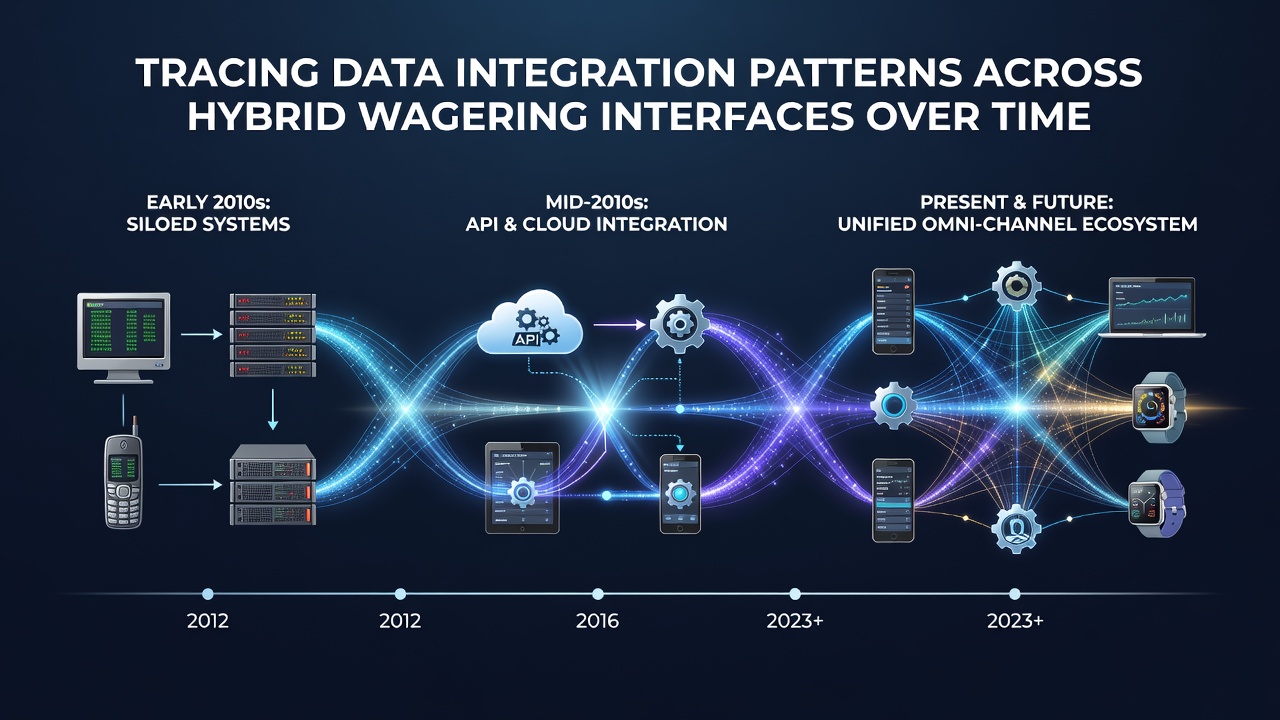
Hybrid wagering interfaces have evolved through distinct phases of data integration since the late 1990s, when early operators maintained separate databases for sports odds and casino game outcomes. Those initial systems relied on batch file transfers that occurred overnight, which created delays in updating player balances across product lines. Observers note that this separation stemmed from regulatory requirements in different jurisdictions that treated sports betting and casino games as distinct categories.
Early Integration Approaches in the 2000s
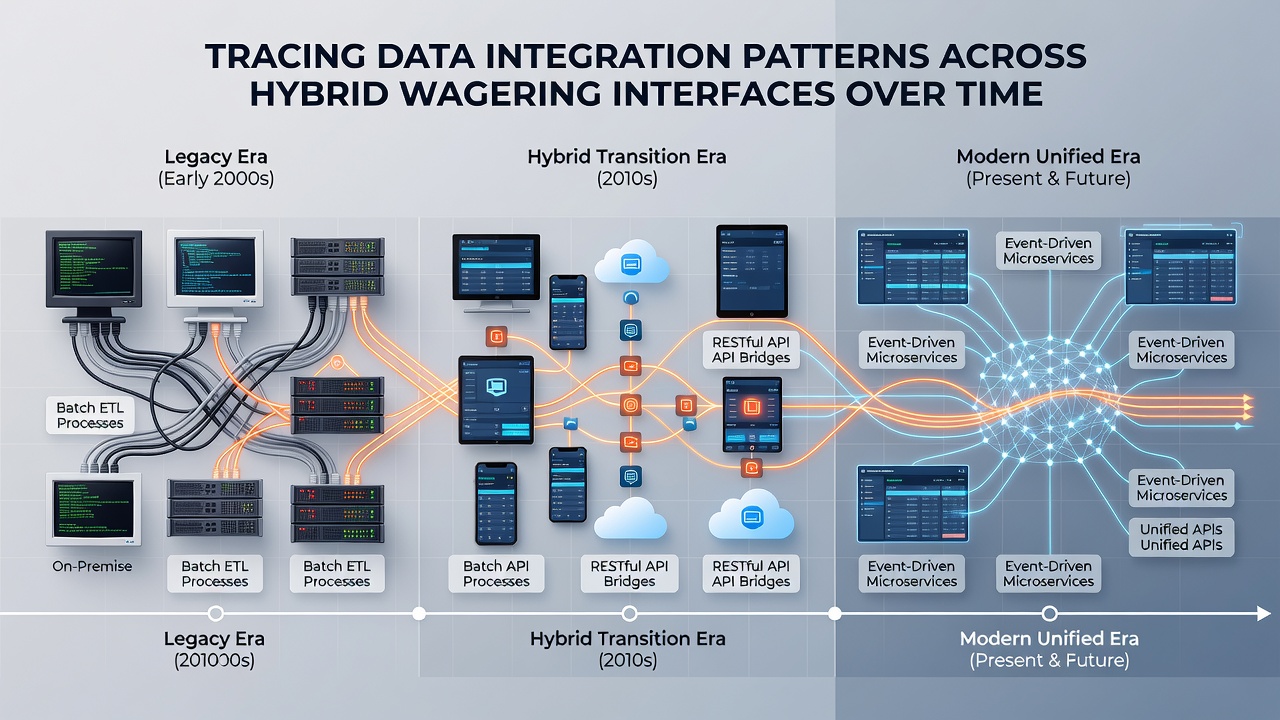
By the mid-2000s, several operators began experimenting with centralized player accounts that pulled transaction records from both sports and casino modules through scheduled scripts. Research from industry reports indicates these scripts often used comma-separated value files exchanged between on-premise servers, while real-time synchronization remained rare because network latency issues frequently caused mismatched balances. Data patterns from that period show heavy dependence on manual reconciliation processes at the end of each shift, which limited scalability as user volumes grew.
One study revealed that operators in regulated markets started adopting basic API calls around 2008 to push live odds data into casino lobby displays, yet the reverse flow of casino session data back into sports risk engines stayed minimal. Figures from that era highlight how integration remained one-directional in most cases, focused primarily on marketing rather than unified risk management.
Shift Toward Real-Time Architectures After 2012
After 2012 the introduction of cloud-based services allowed more operators to replace batch processes with event-driven architectures. Microservices handling sports feed ingestion began communicating with casino random number generator logs through message queues, which reduced the time between a wager placement and the reflection of that activity in a player's overall profile. According to data compiled by research institutions, the volume of real-time data packets exchanged across hybrid interfaces increased by more than 300 percent between 2013 and 2018 in markets that permitted such connectivity.
Those who've studied these transitions point to the adoption of standardized JSON schemas as a turning point that let different product teams share user session metadata without custom mapping layers for every new game release. Yet legacy mainframe systems in some jurisdictions continued to require translation layers that introduced additional latency points in the data pipeline.
Regulatory Data Requirements and Cross-Border Patterns
Regulatory bodies in multiple regions have shaped integration patterns by mandating detailed audit trails that span both sports and casino activity. European Gaming and Betting Association reports document how operators began routing compliance data through centralized logging services that timestamp every bet and game result before forwarding records to oversight portals. Similar requirements in Australian states prompted the development of standardized export formats that operators must generate daily, which in turn encouraged vendors to build modular data export components that plug into existing hybrid stacks.
Patterns observed in North American markets after legalization waves show operators integrating geolocation verification data directly into the same pipelines used for odds and payout calculations. This approach emerged because regulators required proof that each wager originated from an approved location at the moment of placement, and combining that check with account balance updates proved more efficient than maintaining separate verification services.
Developments Anticipated by September 2026
By September 2026 several jurisdictions plan to require machine-readable audit logs that include cryptographic hashes for every transaction across hybrid interfaces. Industry organizations tracking these mandates report that operators are already testing blockchain-inspired append-only ledgers to satisfy both regulatory and internal reconciliation needs in a single data stream. Those implementations often combine sports risk data with casino game outcome sequences so that anomaly detection algorithms can scan across product types without multiple separate queries.
Academic papers published in 2025 describe experiments with federated learning models that analyze player behavior patterns while keeping raw transaction records within each operator's infrastructure. Such models require careful orchestration of feature vectors between sports and casino datasets, which has driven further standardization of data fields used in integration layers.
Technical Patterns in Current Systems
Current hybrid platforms typically employ three distinct integration layers: an ingestion layer that normalizes incoming sports feeds and casino results, a processing layer that applies business rules to combined datasets, and a distribution layer that serves unified views to front-end applications. Observers tracking these architectures note that container orchestration tools have become common for scaling each layer independently as traffic patterns shift between sports events and casino peak hours.
Data lineage tracking has gained prominence because operators need to demonstrate to regulators exactly how a particular balance figure was derived from events across multiple product modules. Tools that automatically map these lineages now appear in many vendor offerings, replacing earlier manual documentation practices that proved difficult to maintain during rapid feature releases.
Conclusion
Tracing data integration patterns across hybrid wagering interfaces reveals a consistent movement from isolated batch processes toward unified real-time systems driven by both operational efficiency and regulatory demands. The trajectory through 2026 suggests continued emphasis on standardized schemas, cryptographic verification, and cross-product analytics while maintaining compliance with jurisdiction-specific rules. These developments continue to influence how operators design the underlying data flows that support combined sports and casino experiences.